
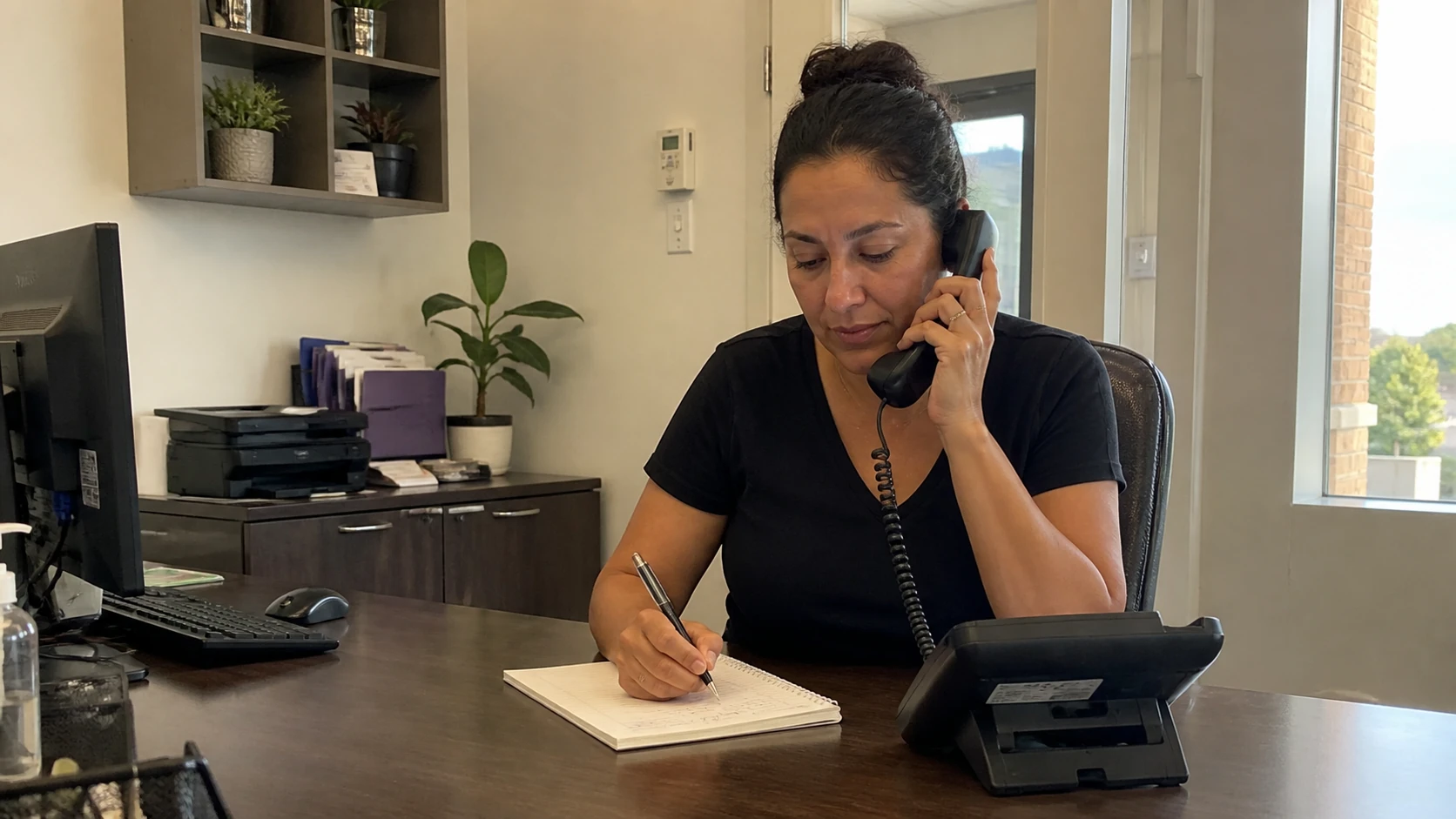
Yes. An AI receptionist no longer has to mean replacing the phone system your business already uses.
On July 9, 2026, Zoom announced a standalone version of its Virtual Agent Receptionist. The company says it can work across existing business phone systems, without requiring Zoom Phone. That makes the first step smaller for businesses that want better call coverage but are not ready for a full phone migration.
This is a product announcement, not proof that every AI receptionist will connect to every phone system. The useful takeaway is the direction of the market. Phone infrastructure is becoming less of a barrier to testing AI call handling.
What Zoom changed
Zoom says its standalone receptionist can answer calls, handle common questions, schedule appointments, route callers, and hand off to a person when needed. Its announcement also lists support for more than 10 languages and built-in live transcription. You can read the details in the official Zoom announcement.
Zoom lists the standalone plan at $29.99 per month for 100 minutes, or $24.99 per month with annual billing, at the time of the announcement. Pricing can change, so treat that as a dated reference rather than a quote for your business.
Why this matters to a busy business
You can test the workflow before changing everything
A phone migration is a major project. It touches numbers, routing, staff habits, and customer expectations. A standalone AI receptionist creates a smaller test. You can see whether callers get useful answers before you rebuild the rest of your phone setup.
The phone can become part of lead generation
A caller is often closer to a decision than someone who only viewed a post. If an AI receptionist answers the basic question, captures the right details, and books the next step, the call becomes a usable lead instead of an interruption your team has to reconstruct later.
Handoff rules matter as much as the voice
A natural voice is helpful. It is not the whole experience. The receptionist needs to know when to route a call, what information to collect, and when to stop. A clean handoff protects the customer and gives your team the context they need.
What to decide before you connect one
Start with one job. Good first jobs are answering service questions, collecting a request after hours, or booking a defined appointment type. Avoid giving the agent a vague instruction to “handle the phone.” That is too broad to review.
Write the answers your customers should hear. Include business hours, service areas, pricing language, booking rules, and the words that should trigger a human handoff. Keep the source material current. An AI receptionist can only be as reliable as the information and rules behind it.
Then test with real situations. Call during business hours, after hours, and when a caller asks something the agent cannot answer. Listen for the moment where the conversation should move to a person. That is where the workflow earns trust.
What the announcement does not prove
It does not prove that an AI receptionist will replace your front desk. A good system handles repeatable work and gives people the calls that need judgment. It also does not prove that a lower setup barrier means no setup work. Someone still needs to map the call flow, maintain the knowledge source, and review outcomes.
Zoom's product page shows the broader direction: an AI receptionist is meant to answer questions, book appointments, and route calls with context. Those are business workflows. They should be measured by useful conversations and completed next steps, not by how human the voice sounds in a demo.
Where this fits in the Leadspa growth loop
The first step is visibility. Our guide to Seedance 2.5 for business video teams covers a new way to create more directed short-form content. The next step is response. A well-planned AI receptionist makes sure the interest created by that content has somewhere useful to go.
The workflow behind that response matters too. Read our guide to OpenAI's ChatGPT program for small businesses for a practical way to choose one repeatable AI task before you connect it to customer work.
If you are still defining the category, start with our plain-language guide to what an AI voice receptionist is. It explains the call flow before you compare phone integrations.
Leadspa can help you map the call flow around the way your business already works. The goal is simple: answer the right calls, capture the right information, and give your team a clean next step.
Before you connect the line, decide what the receptionist should ask. Our guide to AI receptionist questions for new callers covers the intake and handoff decisions that should come first.
Once the call is answered, the next question is what makes the conversation worth a follow-up. Read how to define a qualified lead for a small business.
Before you connect the line, use our guide to AI voice receptionist pricing to estimate usage and compare plan limits.
Before you put a new receptionist on a live line, read our guide to AI receptionist testing for a simple test, fix, and retest process.
When you are ready to move from compatibility to implementation, follow our guide to setting up the receptionist.
Once a caller is qualified, our guide to AI receptionist lead follow-up shows how to define the next action instead of leaving the lead waiting.
Want to map your first call workflow?
We can help you find the right starting point for an AI receptionist.
Book a free consultation